The Iran Reckoning (Part 2) - Escalation to Open War
In the summer of 2025, following the 12 Day War between Israel and Iran, I offered several assessments of where the conflict could potentially head in the future. Most proved accurate and some were incomplete in ways that matter enormously to what is unfolding now. The June 30, July 5 and July 10 posts concluded that future military engagement was likely - that Israel would press the United States for authorisation to eliminate Iran’s remaining ballistic missile capacity which had been damaged but not destroyed in the June 2025 conflict. This assessment proved correct. I also predicted that the Trump administration would pursue renewed nuclear negotiations with Iran but would insist on a no enriched uranium baseline that Tehran would find extremely difficult to accept. Again, I was correct. I also noted that Trump’s declaration that the Iran nuclear program had been “obliterated” by the US strike in June was premature. Less than a year later, we were told by the same administration that Iran was potentially days away from a hard nuclear weapon. I should get extra credit for my observations. At best, we had a fragile cease fire, but the underling dynamics remained tense.
What I did not anticipate was the January 2026 Iranian citizenry uprising against the regime- the largest internal challenge to the Islamic Republic since its founding- and the regime’s grotesque and brutal crackdown. This reality on the ground in Iran changed the strategic calculation, particularly in Tel Aviv. It transformed an effort into degrading Iran’s military capabilities into an attempt at regime decapitation and systemic collapse. To understand the February 28, 2026 American and Israeli attacks, one must understand not just the military escalation but the strategic and political judgments that were made to justify it.
Until 2024, Israel and Iran were sworn enemies but had avoided direct military exchanges. Instead, they fought thru proxies and covert intelligence operations. That threshold collapsed in April of 2024 when an Israeli airstrike on the Iranian consulate in Damascus killed several senior IRGC officers. Iran retaliated with an unprecedented direct attack on Israeli territory - approximately three hundred drones and ballistic missiles. Israel, with the aid of the United States, United Kingdom, France and Jordan intercepted the majority of them. Israel responded with direct if limited airstrikes on Iran. In October, 2024, the cycle repeated with more consequential results. Israeli attacks destroyed nearly all of Iran’s Russian supplied air defence batteries, leaving Iranian airspace effectively undefended against future attacks. In retrospect, the Israeli successes in late 2024 set the stage for Israel to plan more comprehensive strikes in the future. They just needed a go ahead from the United States.
The 12 Day June 2025 War was a major escalation. On June 13, 2025, Israel launched a surprise campaign targeting Iranian military and nuclear infrastructure- Natanz, Ishafan and Fordow among the primary targets. The United States joined on June 22, deploying B2 Stealth bombers carrying bunker buster bombs against the deeply buried Fordow enrichment facilty- a target Israel lacked the capability to destroy independently. The mission was judged a success and the IAEA reported significant damage to key enrichment facilities. Trump bragged that he had “obliterated” Iran’s nuclear program. Iran retaliated with missile salvos but Israeli defence systems held up well. The 12 Day War achieved real but incomplete results. Iran’s nuclear program was setback but they retained a considerable amount of already enriched uranium. Its air defences were further degraded but ballistic missile manufacturing plants survived in part and Iran still possessed thousands of ballistic missiles, launching platforms and drones. By December, 2025, Israeli intelligence confirmed the Iranians were rebuilding their ballistic missile capacity and were actively seeking to reconstitute its nuclear enrichment infrastructure. Israel still classified Iran and its Islamic regime as an existential threat. Netanyahu returned to Washington, attempting to persuade Trump that the job was unfinished, the window was closing and the moment to act was narrowing. Trump hesitated and continued to pursue negotiations with the Iranians on a new nuclear agreement.
The January 26 uprising in Iran was the variable that changed the strategic goals for the United States and Israel. Protests erupted all across Iran, triggered by currency collapse and food price inflation above 70%. The protests were broad based- cross class, cross generational and geographically comprehensive. Bazaar merchants, industrial workers, university students and rural communities simultaneously took to the streets. The regime’s response was its most lethal ever- between 7000 and 30,000 dead based on who was providing the estimate. The government arrested over 50,000 citizens and imposed a total internet blackout. This crackdown produced transformative political consequences. The January massacres provided a new moral and political framing to the conflict with Iran. It was now clear that the regime was not just militarily weakened by the earlier rounds of attacks but they had lost the confidence of their citizens. The regime was politically illegitimate, economically collapsing and confronting a population that was no longer afraid to reject it openly. The confluence of military vulnerability and political crisis created what Israeli leadership viewed as a once in a lifetime opportunity- the overthrow of the Islamic Fundamentalist regime. A game changer for the region. Netanyahu then began a full scale diplomatic effort to persuade the United States to lead the effort - embark on a major military build up and walk away from nuclear specific negotiations. The success of his campaign came into full view in February, 2026.
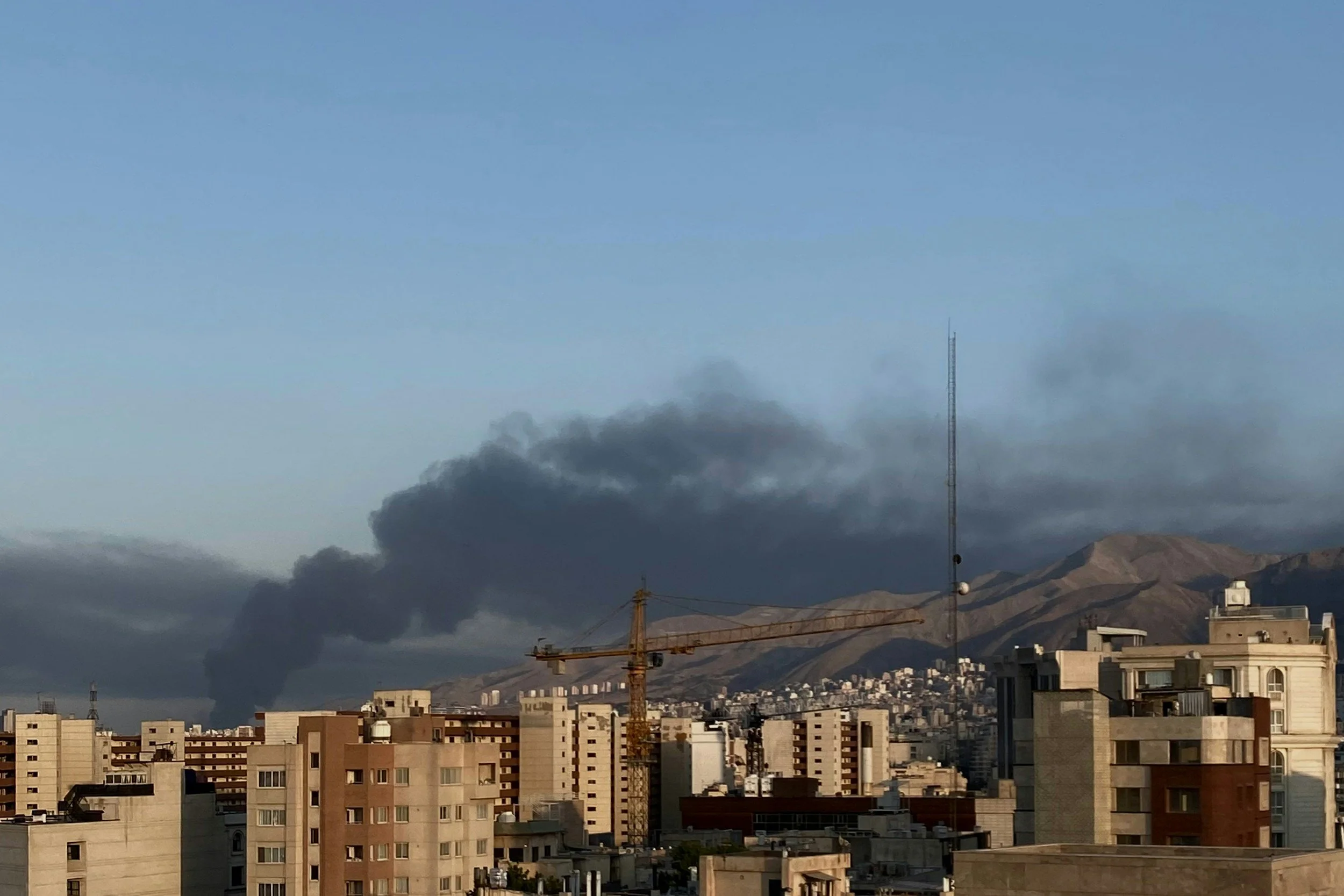
On February 28, 2026, hours after the latest round of Geneva talks had concluded, the United States and Israel launched Operation Epic Fury and Roaring Lion simultaneously. The opening “decapitation” strikes killed Supreme Leader Khameni and 7 of Iran’s top military and intelligence service commanders. Iran’s nuclear facilities, remaining air defences, naval assets and missile infrastructure were targeted in the most intensive aerial campaign in the region’s history. The goal was for the decapitation strike to lead to quick regime collapse- with either spontaneous public protests or a second tier of more “pragmatic” Iranian leaders assuming power and suing for peace on terms acceptable to the Americans and Israelis. Certainly, many Iranians, both in and outside the country applauded the attacks, but the popular uprising has not occurred as of this date. Furthermore, the IRGC still holds the power and Iran has responded militarily.
For now, the regime is holding on. Regime change is now an explicit Israeli and American objective and whether it is attainable, even with the enormous military imbalance is very uncertain.
What is clear is that the road to February 28 was neither inevitable or accidental. It was the product of a two year military escalation, the abandonment of diplomatic process on the nuclear program and a judgment that the strategic calculus had changed. Whether Mr Netayahu and his acolyte Mr Trump made a wise decision and chose the appropriate means off execution is what the rest of this series is about. In any event- major history is being made before our eyes. This has the potential to be a defining moment.