The Global Game: How the NBA Built the World’s Most Dynamic Sports League
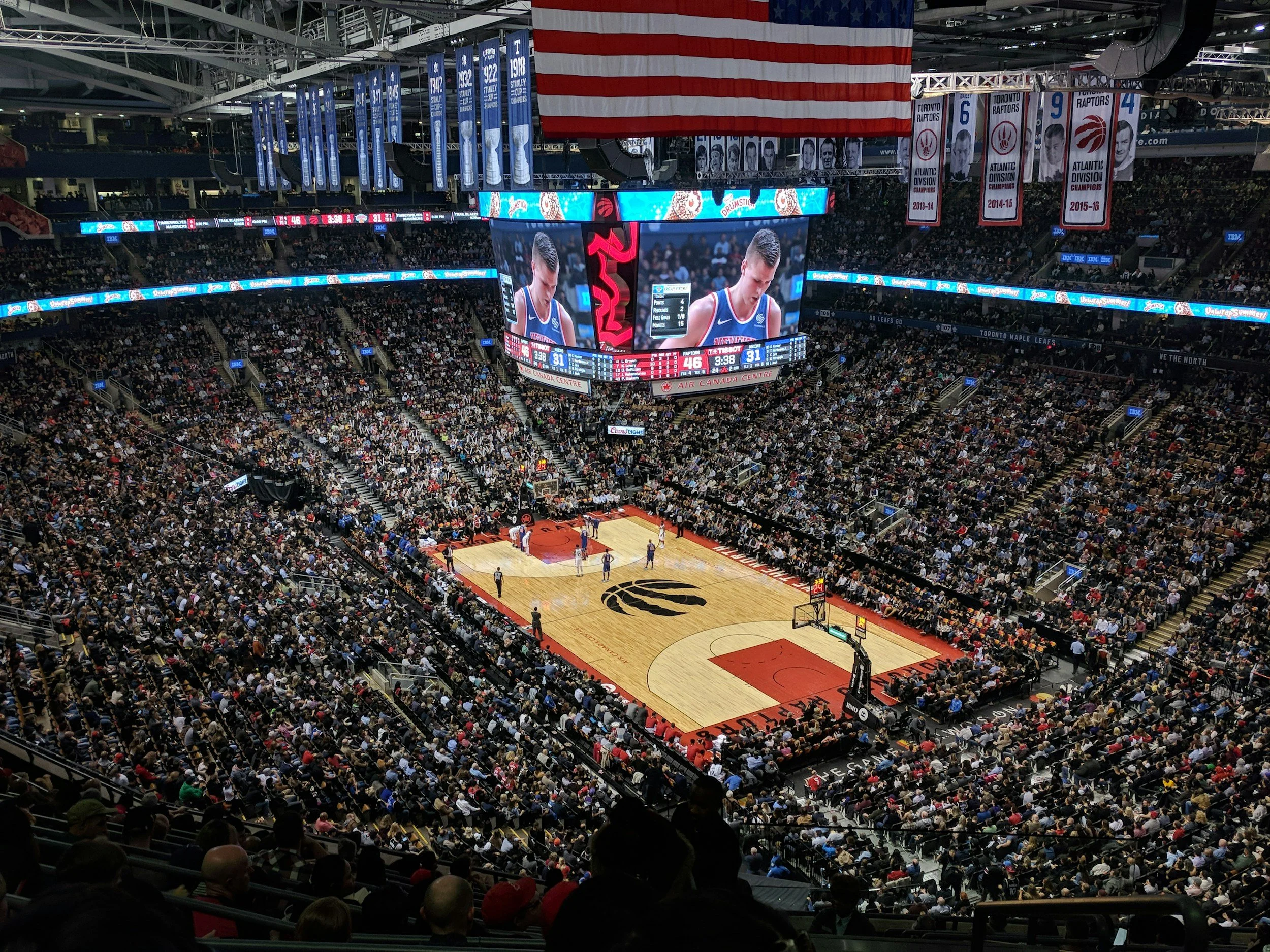
As this is written, the New York Knicks are battling the San Antonio Spurs in the NBA finals. The Knicks surprised the young Spurs in San Antonio and lead the series 2-0. We now move to Madison Square Garden for games 3-4. The matchup is intriguing and almost perfectly scripted. The Knicks, one of the NBA’s original and most storied franchises against the Spurs and their extraordinary young superstar Victor Wembanyama - a seven foot four Frenchman who may already be the most famous basketball player on the planet. A Frenchman from the Paris suburbs becoming the new face of the NBA tells you almost everything you need to know about how dramatically the NBA has transformed itself the last three decades.
This essay attempts to explain why and how the NBA has become a global story. The NBA is not merely a successful sports league but as measured by hard data and cultural trends, the most dynamic and globally ambitious sports organisation in the world. It got here through a combination of superior content, shrewd international expansion and mastery of the digital age- each element reinforcing the others in a cascading cycle that shows no signs of slowing down.
First, the numbers tell the story. The financials are staggering. Total NBA revenue stood at 3.1 billion in 2000. By 2024, it had reached 11.3 billion- a growth of 265 percent over two decades. The 2025 season pushed that figure to 12.3 billion and the projection for 2026 is 14.3 billion. The growth is fueled by a new 11 year 76 billion dollar media rights deal with Amazon, ESPN, ABC and NBC. On an annual basis, the new agreement is worth 6.9 billion annually - 160 percent more than its predecessor.
Franchise valuations mirror the revenue trajectory. The average NBA franchise was worth 634 million in 2024, the year Adam Silver became league commissioner. By 2025, average franchise valuation had risen to 5.50 billion- a 750 percent increase in a decade. The combined value of the 30 NBA franchises is now 165 billion. The Golden State Warriors were purchased for 450 million in 2010 and are currently valued at 11 billion- an annual growth rate of 24 percent over 15 years. The least valuable franchise, the Memphis Grizzlies, is worth 4 billion. There appears to be no ceiling to this expanding market. Investor confidence, a measured by value to revenue multiples is extraordinary. Player compensation has followed accordingly. The salary cap stood at 35 million per team in 2000 and rose to 145 million in the 2024-2025 season. Superstar salaries now routinely exceed 50 million annually and a maximum contract for a veteran can approach 350 million over five years. The NBA, more than any other American sports league, has made the players wealthy enough to be economic forces in their own right. They have become entrepreneurs, investors, influencers and leading cultural figures. They are social superstars, not just athletes.
The most fundamental reason for the NBA’s growth is simple- the game is better and more entertaining than it was 30-40 years ago. Basketball in 2026 is faster, higher scoring and more strategically sophisticated than it was even 20 years ago. The three point revolution is the primary driver here. In 1984-85 season, teams attempted 4 three point shots a game. Today, that number approaches forty attempts a contest. Purists may moan but the three point bonanza is not merely cosmetic or gimmicky. The modern game has more open driving lanes, more one on one matches and made every possession consequential. Late game drama and big comebacks from 20 point deficits are now common.
Stars flourish in this fast paced environment. The NBA learned that stars, not necessarily teams, sell tickets and streaming subscriptions. The NBA has generated a series of mega stars that no other sport can match. Michael Jordan did not merely win six championships- he became the defining sports celebrity of the 20th century. LeBron James, his heir, has been the best player in the world for two decades and has parlayed that success into a media empire, a production company and a social platform that makes him a genuinely influential figure in American public life. Steph Curry changed how basketball is played, displayed an easy charisma and became a crossover phenomenon who attracted fans who had never previously attended or watched an NBA game. Kevin Durant, Nikola Jokic, Luka Donic, Jayson Tatum, Shai Gilgeous Alexander have picked up the torch and confirmed the league has no shortage of compelling protagonists. Victor Wembanyama may surpass them all- both on and off the court. The NBA markets individual stars with a sophistication the NFL or MLB do not match. Helmets obscure faces in football and large rosters dilute star concentration in both of those sports. Basketball offers five players on each side, all visible, all identifiable, all moving gracefully in a continuous flow that gives fans a feeling of intimate acquaintance with each performer. The league recognised this reality early and has never stopped exploiting it.
The second pillar of the NBA’s success is its global reach- a billion fans and counting. A record 140 international players appeared on opening night rosters this year. They come from 40 countries, speak dozens of languages and carry the league’s brand and image into communities that American sports leagues have never historically reached. The consequences are measurable. France viewership has increased by 30 percent since Wembanyama entered the league and Serbian ratings increased by 66 percent after Nicola Jokic began his run of MVP years in Denver. International viewership using League Pass has grown by 80 percent in the last five years. In China, despite political tensions, fully 55 percent of people with internet access watch NBA games. China has become the NBA’s largest single international market, generating an estimated 600 million annually. Nearly 70 percent of the league’s social media followers are located outside of the United States. African viewership is exploding. The NBA is pursuing an aggressive international strategy with media infrastructure everywhere. Globally, 450 million people play basketball recreationally and the NBA broadcasts in more than 200 countries in over 50 languages. These are not abstract statistics. They represent future fans, future merchandise buyers, future League Pass subscribers and most importantly future payers who will make their own mark in the league. Impressive!
The third pillar and perhaps the most significant for the league’s long term trajectory is the NBA’s command of the digital media environment. It is not simply creating and maintaining good social media accounts. Instead, they have executed a strategy that reconceptualizes what a sport league is and who it speaks to. It is about culture, not just sport. The NBA leads all major professional sports leagues in social media followers. LeBron James has a 100 million Instagram followers. Steph Curry has a social presence that dwarfs any NFL or MLB player. The NBA athletes are not merely promoting their sport. They are cultural voices opining on fashion, music, food, politics and social justice issues. The league encourages the social media engagement because they recognise they are reaching demographics that are not accessible through traditional media. The results show up in the youngest cohort of sports fans. The NBA is the favourite sport of 57% of American teenage boys- a stunning number given the NFL’s overall dominance in adult viewership. The NFL claims 15% of the teenage demographic and MLB is at 5%. The gap is not accidental because the NBA chose to be the sport that lives and thrives on the social platforms where young people actually spend their time.
The NBA is also blessed with a sound structure and good leadership. Institutional design and decisions have made the sustained financial and media success described above possible. The NBA salary cap, luxury taxed revenue sharing arrangement has been effective at maintaining competitive interest and balance. Revenue sharing transferred roughly 400 million dollars from high revenue franchises to lower revenue ones last season. The draft lottery gives the worst teams the best chance at acquiring franchise altering talent. Competitive parity, even rough and imperfect, makes the regular season matter and the playoffs genuinely unpredictable. David Stern and Adam Silver have been outstanding commissioners, navigating international expansion, balancing owner empowerment and player interests and mastering the rapidly changing media landscape. The league owners have also evolved. The traditional model of a wealthy, super conservative, old family sports baron has been replaced by entrepreneurs, tech divas and financial wizards who understand brand building, digital media and cultural positioning. People like Steve Ballmer and Mark Cuban are not traditional sports owners. They are operators who bring a Silicon Valley intensity to franchise management. The result is an NBA ownership class more comfortable with risk, more attuned to global markets and more willing to invest in player development than prior generations of owners. Overall, the product is hip, the media strategy is sound and the owners and the players seem to understand the model is working well for everyone.
Obviously, there are concerns to be managed and problems to be solved. The 82 game season is too long. It produces many games that even the most hard core fan admits are boring. Players break down and load management means that fans don’t see the star players on the court as often as they should. Tanking to obtain a better draft slot also undermines competitive integrity. Domestic television ratings are rather flat and convincing potential broadcast partners to up the ante on media rights may be more challenging in the future. Overall though, the trajectory is unmistakeable and it is positive. Kudos to the NBA! Finally- go Spurs- I love Brunson but as a loyal Chicagoan, I am permanently wired to root against any New York team.