Europe in Crisis: Part 4- Fractures, Challenges and a Loss of Identity: 2014-Present
Europe’s 65 year winning streak ended in 2014 and the last decade has been tumultuous- calling into question the long term viability of the European project. The foundational pillars discussed above- economic and political integration, collective security and the Transatlantic Partnership with the United States are all under attack. Will the centre hold? The almost non stop bad news has been disorienting and Europe and its governing institutions face very tough choices. How did this happen and how did it happen so quickly? The bottom line is that the European model is facing multiple and simultaneous challenges that are exposing structural vulnerabilities. The seeds of the crisis are set forth below.
The 2016 BREXIT vote in the United Kingdom put the question of European unity and integration front and center. The EU had been operating as an elite club that everyone in Europe had wanted to join for decades. Consolidation, integration and expansion had been unquestioned assumptions and Great Britain’s vote to leave the EU was a shock to the system. For the first time, a major member chose exit over deeper integration. While the EU handled the departure without collapsing and Britain has fared poorly since its departure, BREXIT demonstrated to all that European unity could not be taken for granted. It emboldened Euroskeptic movements across the continent and raised legitimate questions over whether the EU had overreached in its governing style, particularly in nations that valued sovereignty over a sprawling Brussels bureaucracy.
Another challenge was the Refugee Crisis and the subsequent rise of populism in Europe politics. The 2015-2016 refugee stampede, driven largely by the Syrian Civil War and the repression of the Assad regime, created enormous fissures in the EU. Italy, Greece and Spain experienced waves of refugees and their ability to respond was overwhelmed. The EU’s attempts at a coherent and broad continent wide response were disjointed and erratic. Germany eventually decided to accept large numbers of refugees but there was a widespread political backlash across the continent. Right wing populist parties surged- Alternative for Germany, France’s National Rally, Italy’s League, Hungary’s Fidesz and Poland’s Law and Justice Party. These movements challenged not just immigration policy, but the raison d’être for the EU itself. Fundamental EU values, honouring the rule of law, protecting human rights, liberal democratic systems, press freedom and judicial independence were attacked and ridiculed as violations of national sovereignty. Hungary and Poland moved toward illiberal democracy, creating tension within an alliance supposedly built on shared democratic principles. LGBT protections and climate change policies were challenged as “woke”- with Europeans populists echoing the MAGA movement in America. The supposed post war consensus on governing principles seemed to be more fragile than assumed. Many Europeans, not a majority but still a significant number, HATE the EU.
There were also economic strains and a growing North-South divide. The Eurozone has structural problems- a common currency without a fiscal union. Greece, Italy, Spain and Portugal struggled with debt, high unemployment and an austerity imposed by northern creditors. Youth unemployment has reached 50% in Spain and Greece. The prosperity promised by EU membership seemed distant at times and German dominated EU economic policy was perceived as creating unequal partners within the EU. The perception that “some countries are more equal than others” is a source of political tension.
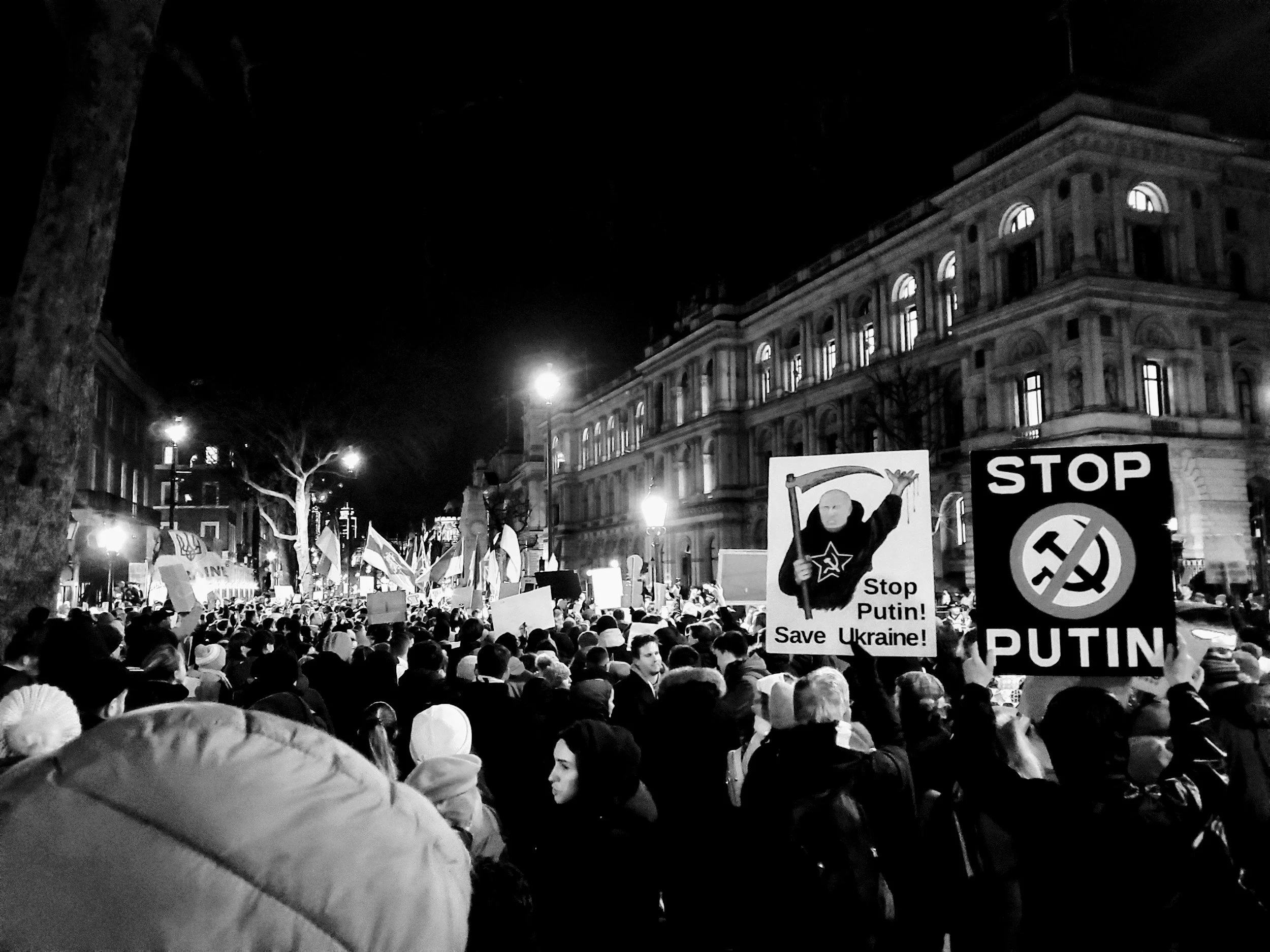
The resurgence of the Russian threat also took the EU by surprise and they continue to be off balance. It started with Russia’s seizure of Crimea in 2014 which violated a host of agreements recognising Ukrainian borders. The EU response was a series of ineffective economic sanctions. Putin openly declared his disdain for the EU and his hatred of an expanded NATO and pursued aggressive policies of hybrid warfare against European states- disinformation campaigns, election interference, using energy as a weapon and openly supporting anti- EU political movements. During this same timeframe, Europe actually increased its energy dependence on Russia, an enormous strategic mistake. Europe learned the hard way after the full scale Russian invasion of Ukraine in 2022 that economic and energy reliance on authoritarian states resulted in a loss of independence in critical economic sectors. Finally, the invasion of Ukraine was a direct challenge to the post 1945 world order. It is a serious threat to European security. Suddenly, NATO’s Article 5 guarantees weren’t theoretical and Europe was forced into existential questions whether the NATO alliance would hold together if a member was attacked. The Russian aggression also re-energized the debate on inadequate European defence spending. Most European NATO member had allowed their militaries to atrophy and failed to meet the modest 2% NATO defence spending targets. When Russia invaded Ukraine, the European arsenals were quickly depleted and most military support for Ukraine came from the Biden administration. Europe had to look in the mirror and admit they had been free riding on American security guarantees, leaving it dependent and vulnerable when an actual security threat materialised. The issue was compounded by Trump’s open attacks on Europe’s failure to spend more on defence and his obvious lack of interest in Ukraine’s survival. Europe would need to scramble if the Americans withdrew from NATO.
Finally, the ten years of crisis has shone a bright light on the fundamental question for Europe. Can an organisation of 27 sovereign states, with different histories, languages, cultures and economic interests, maintain coherence when confronted by sustained and serious threats. The 65 year “holiday from history” is over. Can wealthier northern nations continue to coexist with poorer southern and eastern members. How can the EU be agile when major policy changes and budget issues require a unanimous vote of the members. Can liberal democracies sit at the same table as illiberal democracies? Can nations with very different threat perceptions maintain a unified security and defence policy? Will the EU and NATO members make the hard budgetary decisions necessary to upgrade their defences? Finally, will the EU and NATO survive the radically different approach to the European project being promulgated by the Trump administration. The Trump disruption and other more future oriented challenges will be the subject to Part 5 of this essay. Things will not get easier for Europe in the next decade- the crisis will intensify and a new generation of leaders will need to be creative and independent. Stay tuned!!