Europe in Crisis: Part 3- Consolidation, Expansion, Redemption and Victory: 1989-2014
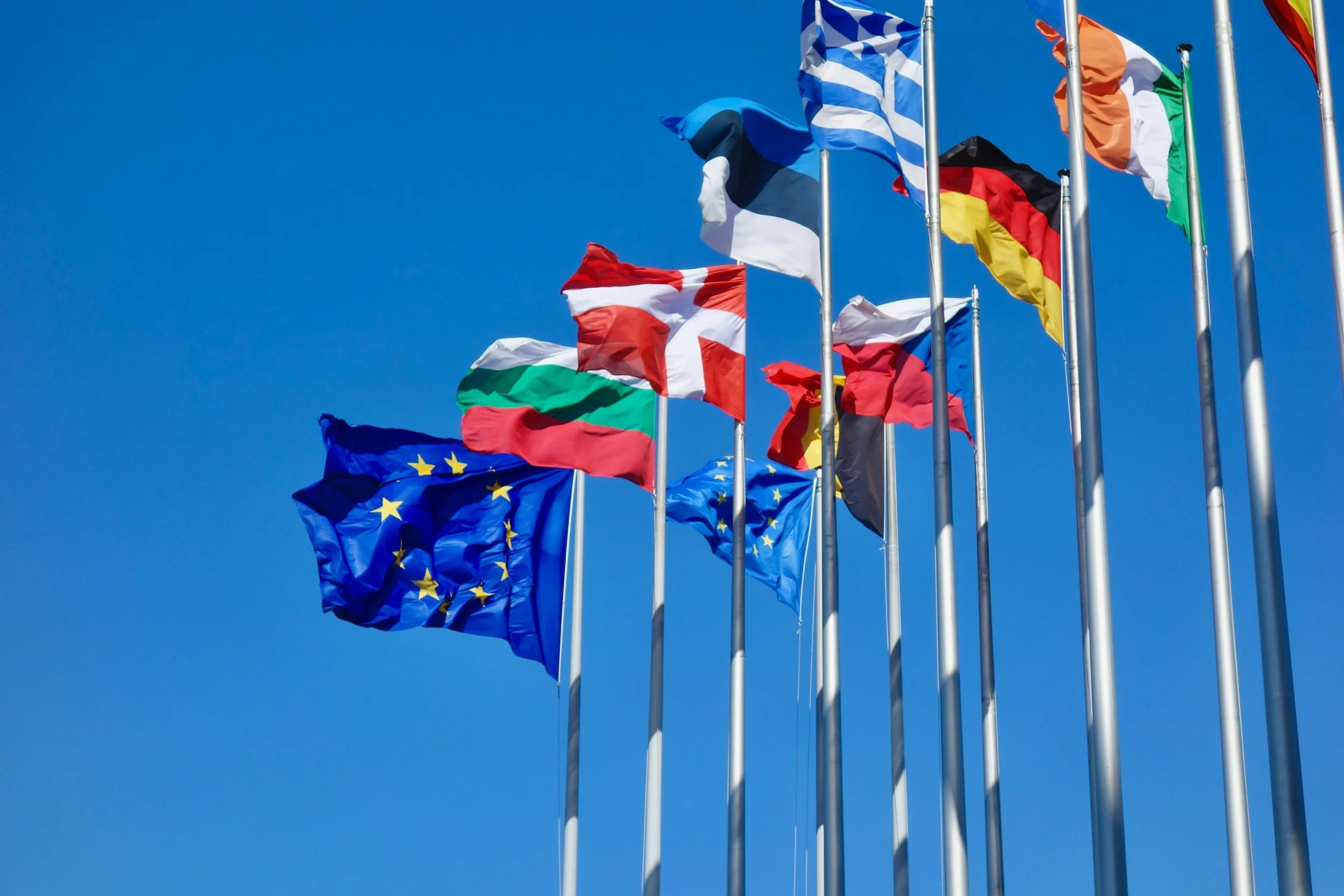
The collapse of the Soviet Union opened an opportunity to extend the Western European miracle eastward to nations that had suffered under communist dictatorship for decades. Almost simultaneously with the demise of the Soviet empire was the transformation of the European Economic Community into the European Union. The Maastricht Treaty of 1992 deepened integration beyond economic cooperation to a political and monetary union. A governing European superstructure was created in Brussels. The members aspired to a common foreign policy. The Euro was launched in 1999 and became the common currency for qualifying member states- a profound statement of mutual commitment and a shared destiny.
The European Union most significant achievement was expansion to the east. Between 2004 and 2013, the EU welcomed thirteen new members, most from the former Soviet bloc: Poland, Hungary, Czech Republic, Estonia, Latvia, Lithuania, Slovakia, Slovenia, Romania, Bulgaria and Croatia. This was far more than a geographic expansion- it represented a civilisational choice by these nations to adopt the Western model of economic freedom, social safety nets and a commitment to democracy and the rule of law. The EU made a compelling promise to new members: prosperity through access to a single market, stability through shared institutions and protection of democratic gains through EU membership requirements. For the former nations of the Warsaw Pact, EU membership meant they could never be dragged back into Russia’s orbit. A BIG DEAL!
NATO expanded in a parallel track to the EU. There was a similar trajectory, with NATO membership often preceding EU membership. The first post Cold War enlargement brought in Poland, Hungary and the Czech Republic in 1999. The Baltic States joined in 2004. Later rounds of expansion included Slovakia, Slovenia, Romania, Bulgaria, Albania, Croatia, Montenegro and North Macedonia. The expansion was contentious because Russia viewed it as an encroachment on its sphere of influence. But for new members, NATO membership was existential. Article 5 protection meant security against the threat of Russian revanchism. The 2008 Russian invasion of Georgia and the 2014 seizure of Crimea from Ukraine validated their concerns- NATO members were safe and non NATO members in Eastern Europe were vulnerable.
Through all this expansion, the Transatlantic Partnership remained foundational. American military power remained committed to Europe’s collective security. Troops from European NATO nations served with American troops in Afghanistan. Article 5 was invoked to benefit the United States after the attacks of September 11, 2001. The United States, from Truman through Obama encouraged and supported both NATO and EU expansion, correctly seeing that a democratic, prosperous and secure European partners were fundamental to American global interests. The United States was a superpower with allies- a formidable combination.
The European scorecard as of 2014 was impressive. The EU had grown to 28 member states representing 500 million people with an economy almost equal in size to the United State. NATO had 28 members. Most of the formerly communist eastern European countries had successfully transitioned to democracy and market economics, were integrated smoothly into Western multilateral institutions and enjoyed prosperity beyond the imagination of their parents. The European project had achieved something genuinely historic- expanding the zone of peace to encompass most of the continent. Ancient divisions- between Western and Eastern Europe, between former enemies, between rich and poor nations- were being bridged through shared institutions and collective security. It was “The End of History” moment- the assumption was that integration and political union would intensify and the American commitment to the continent was everlasting. Events from 2014-2016 revealed those assumptions about the future of Europe were now to be tested. The successful European project displayed fragility because the commitment to European unity was attacked internally and the nature of America’s engagement was challenged externally by the ascendancy of Donald Trump and the MAGA movement in the United States. Victory and redemption evolved to crisis and confusion rather quickly. Stay tuned for Part 4.