Trump and Greenland: The Emperor Has No Clothes
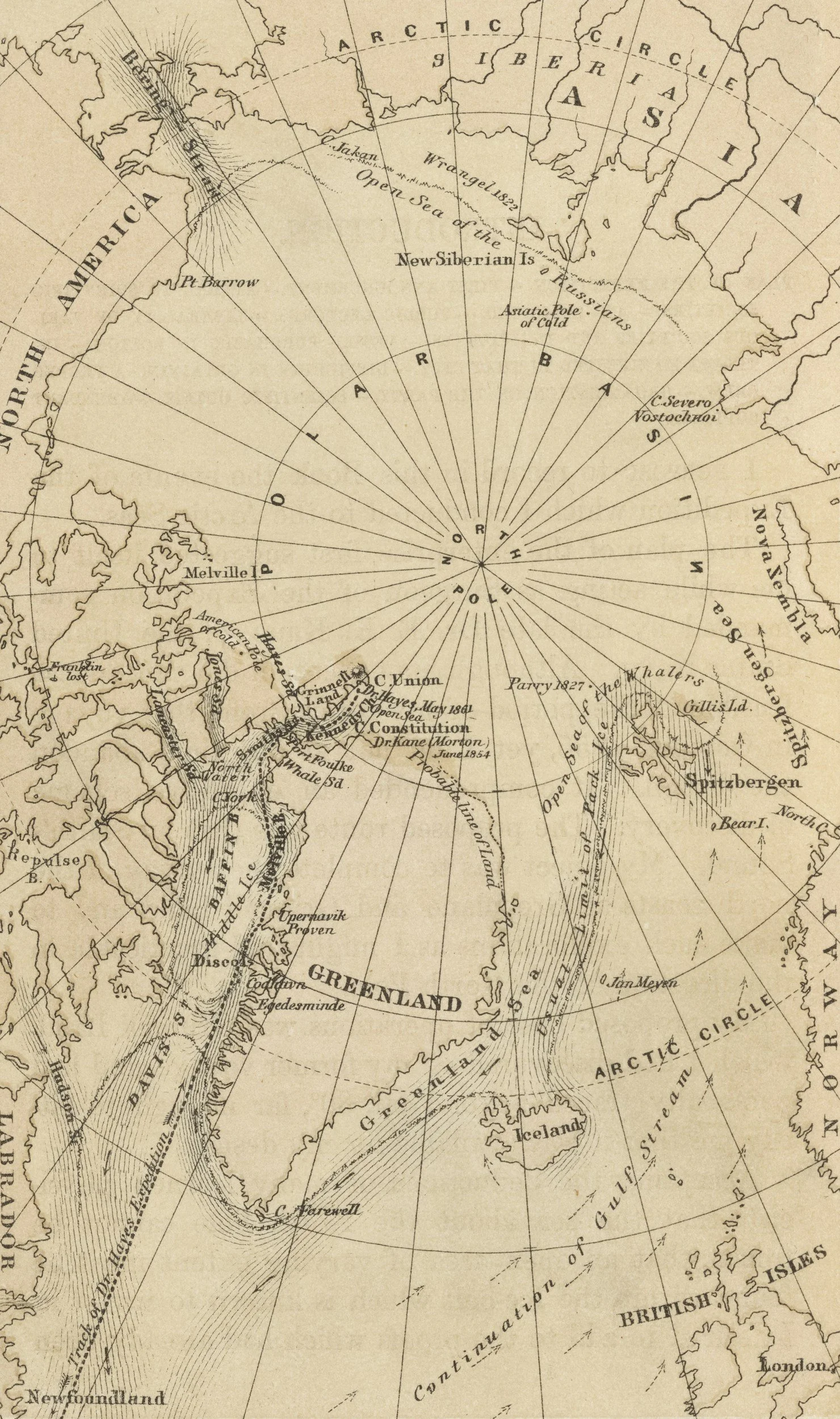
The recent pronouncements from President Trump regarding the annexation or acquisition of Greenland represent a dangerous convergence of strategic illiteracy and diplomatic recklessness. We should not be surprised, but should be concerned because the man takes his own histrionic rhetoric seriously. To be clear, this is outrageous and embarrassing. America (and the West generally) do have legitimate security interests in the Arctic and defaulting to the status quo can be dangerous in a rapidly changing global environment. The man is good at issue identification. He is less accomplished at strategic and thoughtful policymaking. The methods he has chosen to express America’s priorities in the region are inappropriate and counterproductive. Verbally threatening annexation, including the right to employ force against Denmark is breathtakingly cynical and irresponsible. Applying economic coercion, including punitive tariffs against NATO and European allies mirrors the behaviour of a mobster boss. It represents a profound misunderstanding of how mature democracies preserve their security, their values and their relationships. The path forward requires mature statesmanship, not sophomoric strongman theatrics. Let’s look at the historical context, the challenges in the Artic and the best way to secure a wise policy path in the future.
First, what is the relationship between Denmark and Greenland? Greenland has been under some form of Danish sovereignty since 1721. Greenland remained a Danish colony until 1953 when its status changed to a Danish county. The Greenlanders don’t have fond memories of colonialism. The relationship evolved significantly in 1979 with the establishment of Home Rule for Greenland. The agreement changed the dynamic Greenland obtained extensive autonomy over domestic affairs, including taxation and control over natural resources. Denmark retained responsibility for foreign affairs, defence and monetary policy. This arrangement reflects Greenlandic aspirations for self determination, while acknowledging security and economic realities. Denmark provides subsidies to Greenland- about 700 million euros annually. The 2009 agreement explicitly provides a referendum pathway to full independence if Greenlanders choose to go that route. The relations between the 56,000 Greenlanders and the Danish is sometimes tense, but it has been stable. There is no current popular movement in Greenland to separate itself from Denmark. There is no evidence that Greenlanders aspire to becoming a property of the United States.
There is a preexisting strategic framework governing the relationship between the United States, Denmark, Greenland and NATO. Denmark became a NATO member in 1949 and Greenland’s strategic significance became immediately apparent. Harry Truman offered to buy Greenland from Denmark but was quickly rebuffed. Instead, a 1951 Defence Agreement between Denmark and the United States formalised American rights to establish military installations on Greenland, most notably Pituffik Space Base. This agreement granted the United States operational authority while maintaining Danish sovereignty. American bases in Greenland became a critical component in America’s early warning system for ballistic missiles and those radar installations are essential to NORAD’S mission today. The protocols were updated in 2004 to give the Greenlanders more consultation rights. American military presence on the island has changed over the years- dependent on security needs. Troop levels have fluctuated. At no time has Denmark ever refused an American request regarding the location of military hardware or personnel. There was no existential crisis in Danish-American relations over Greenland. It is classic Trump- creating public tension with no clear plan or evidence of sophisticated thinking. But here we are!
There ARE legitimate contemporary concerns about how to guarantee strategic stability in the Arctic. The region is undergoing revolutionary transformation driven by climate change, great power competition and resource accessibility. Greenland sits at the nexus of multiple critical American interests. Geographically, Greenland occupies the shortest route for intercontinental missiles between Russia and North America. The Greenland-Iceland-UL gap remains the essential checkpoint for monitoring submarine activity between the Atlantic and Arctic Oceans. As Arctic ice retreats, new shipping routes are opening that will reduce transit times between Europe and Asia substantially, creating new security and commercial challenges and opportunities. It is the ultimately irony that Trump’s fascination with the importance of Greenland is factually based the reality of climate change disruption- a phenomenon that Trump routinely labels as a “hoax”.
Economically, Greenland does possess substantial deposits of rare earth elements that are critical to modern technology and defence systems. Current Chinese dominance in rare earth processing creates genuine supply chain vulnerabilities that American policymakers rightfully seek to address. Greenland also holds untapped oil and gas reserves and has unique access to available fisheries. The strategic dimension cannot be ignored. China has declared itself a “near Arctic state” and has pursued infrastructure contracts in Greenland. Russia is expanding its Arctic military footprint and is developing a new Northern Sea route. These moves reflect long term strategic planning by our adversaries and the West should formulate a coherent and unified response. What we need is a statesman’s alternative- one based on partnership not coercion. A modernised framework among the United States, Denmark and Greenland could address every legitimate American interest and not destroy the transatlantic alliance. NATO collectively should be the place where the United States, Canada and Europe jointly formulate and execute a response to a genuine collective threat.
What would this updated agreement look like as applied to Greenland? Any plan should cover emerging threats - cyber security, space domain awareness, hybrid warfare. If we need to expand infrastructure on Greenland- do it- but include the Greenlanders in the discussions. If the American military presence needs to be expanded- shift the necessary personnel. The goal should be to strengthen NATO’S Arctic defence framework. This should not be a unilateral American initiative. Funding responsibilities should be allocated fairly among the members of the alliance. We are always asking the Europeans to spend more on defence and one area where their increased commitment could make a real difference is Greenland. This multilateral approach is legitimate and sustainable. There should also be increased American investment in Greenland’s’ infrastructure, including ports, airports, communications and renewable energy. The Greenlanders should realise a tangible benefits from these arrangements. American economic security can be served through priority purchasing agreements for critical minerals. America can achieve every strategic objective it has in Greenland without resorting to ham fisted threats or ultimatums. We can do so in a manner which demonstrates to the world that democratic powers can compete and beat authoritarian rivals without abandoning core principles.
The path President Trump appears to favor- annexation threats, imposition of tariffs on our allies and continued suggestions of NATO withdrawal would constitute strategic suicide by the United States. Such actions will shatter the transatlantic alliance that has been the cornerstone of American and European security for 80 years. Our NATO allies will correctly conclude that American security guarantees are worthless, prompting their accommodation with China and Russia. The spectacle of America threatening and bullying a small, peaceful ally would hand Moscow and Beijing a propaganda victory of incalculable value while undermining every argument we have ever made about a rules based international order. How can we condemn Russian aggression in Ukraine while simultaneously threatening to seize the territory of an ally. How can we criticise Chines coercion while we imply economic blackmail and extortion against Europe? In addition to being a diplomatic catastrophe, such actions violate international law, contravene the UN Charter and betray the NATO Treaty. CRAZY STUFF!
Greenland’s strategic importance is real- and may be growing. American interests are legitimate, but so are the interests of the Danes, the Greenlanders, the Canadians, the Icelanders and every citizen in the European Union. The choice before us is stark: statesmanship or gangster diplomacy, partnership or plunder, alliance building or great power bullying. We can preserve our security and values without sacrificing our principles. We should not sacrifice our integrity and hard earned reputation on the altar of one ill informed man’s ego. History is watching here!