The Iran Reckoning (Part 5) - The End Game?
In the early years of the Iraq War, as the promised quick victory gave way to an insurgency and sectarian violence and chaos, the Commanding American General David Petraeus asked the question that should be the gold standard for all “wars of choice”: TELL ME HOW THIS ENDS? It was demand for strategic honesty- for a clear eyed assessment of what success look likes, how it gets achieved and what are the realistic range of outcomes. The question has not been answered about the current war with Iran. We know the stated objectives, often delivered in artfully by American leadership. Regime change in Iran, the elimination of the Iranian nuclear weapon and ballistic missile programs and the defeat of Iranian proxies like Hezbollah and Hamas. Has the war achieved those expectations? If not, what is Plan B and what are acceptable outcomes that fall short of those goals. This final essay attempts to answer those questions.
First, what has been achieved? An honest ledger requires that we give credit where credit is due. Iran’s conventional military capacity has been reduced to a fraction of its pre war level. It’s air force is gone. It’s navy is gone. It’s air defence systems are gone. Between 50 and 80 percent of its missile launchers have been destroyed. Its nuclear facilities have been struck on multiple occasions and the program is on its knees. The national senior leadership has been decapitated. Hezbollah, a critical proxy has been ruthlessly targeted by Israel in Lebanon. The human cost for Israel and the United States is incredibly low- 20 Israeli dead and 13 American casualties. No airplanes lost. Most of Iranian missile and drone attacks on Israel and Gulf States have been neutered by effective defensive systems. Objectively, a totally one side month of conflict.
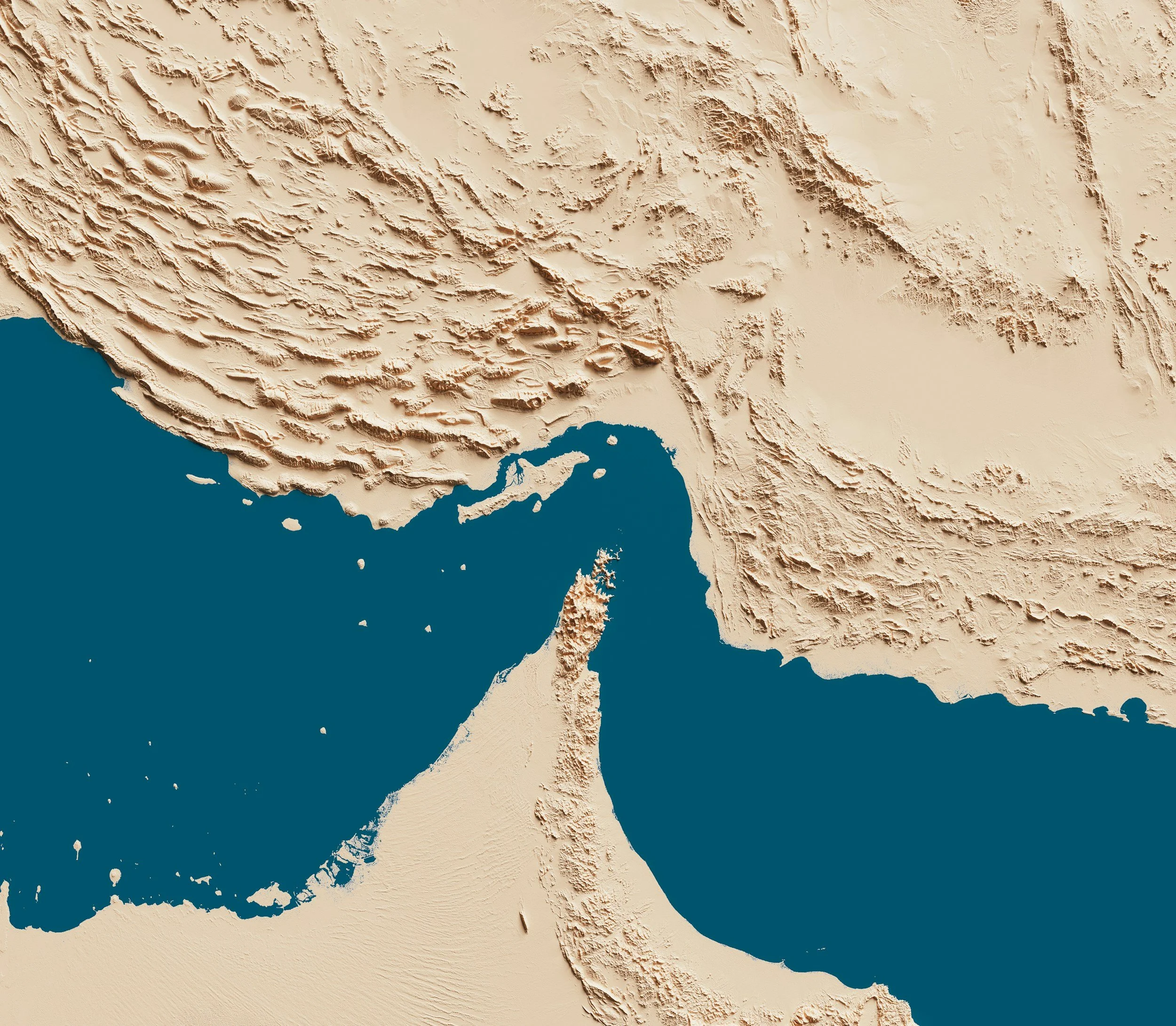
Has the military success resulted in fulfillment of the campaign’s objectives? Unfortunately NO! We must review where the campaign has fallen short. First, there has been no regime change. The Islamic Republic, led by ideologically rigid theocrats and a disciplined IRGC lives on. The regime’s succession protocols functioned as designed. The IRGC’s institutional structure has retained an organisational coherence. The internal revolt has not materialised. The bad guys are still in charge. Secondly, the nuclear program is technically alive. An enriched uranium stockpile remains in Iranian hands. Nuclear knowledge cannot be bombed away. Five weeks into the war, Iran is still firing 12-15 ballistic missiles a day, they are adept at hiding and rebuilding launchers and they have thousands of drones. They are degraded but still a threat. Finally, our spring surprise is they have closed the Strait of Hormuz and are creating an energy crisis with the long term potential to strangle the global economy. In that respect, they are a bigger and more disruptive and powerful international player than they were before the war. They have learned the power over the Strait is probably a better future guarantee of security than possessing a nuclear weapon. A potentially expensive lesson for the West. So who is actually winning this war is an open question. Asymmetric warfare can work for the militarily inferior nation. Overconfident great powers can stumble, particularly when they have arrogant and ignorant leadership.
With those realities, let’s evaluate plausible outcomes. The United States would clearly like to finish this war. What political outcomes are possible? The most likely outcome is the survival of an IRGC dominated regime in Iran. This offers no improvement on our core security concerns. An IRGC government, humiliated by foreign bombardment, controlling whatever remains of Iran’s nuclear program, may double down and accelerate the program after a ceasefire is in place. They will attempt to make the Strait of Hormuz card a permanent feature in their planning. They will certainly seek to monetise it and use the proceeds to rebuild. I expect they will be open to a diplomacy track, but it will be a tough negotiation because they feel they survived and need to maximise the benefits of said survival. They will only agree to a deal that genuinely guarantees they will not be subject to similar attacks in the future. They will hope that the Gulf States as producers and China, India, Europe and Japan as consumers put pressure on the United States to agree to a solution that opens up the Strait of Hormuz, even if that scenarios requires concessions to Iran. I could see Iran agreeing to freeze their nuclear enrichment for a period of years (basically an extension of the Obama deal that never should have been abandoned by America) in exchange for a fee system for passage in the Strait of Hormuz. If Trump doesn’t like these scenarios he would need to install a more malleable regime in Iran. This could only occur if the current regime fell after a major US offensive with thousands of American ground troops. Frankly, I don’t think his base will go along with that option. Plus, he can’t afford closed waterways for long because the energy and economic shocks will be a political catastrophe for him. Diplomacy is the way to go here.
The best long term option is for a short term diplomatic agreement followed by a popular insurrection in Iran months later. This is the most hopeful scenario and remains possible. Once the bombs stop falling, the underlying conditions that drove the January uprising will reassert themselves with greater force. A population that was willing to die in the streets before the war may find its political courage renewed when the war ends, Iran’s moment may come, but it requires a ceasefire, time and a more organised and coherent opposition that will ultimately become a movement. The United States and others should support these efforts. The goal is an Iran that is non nuclear, regionally non aggressive and which represents its own population. It may not be a Western style democracy, but it should not be hard to improve on the current regime. Israel must be satisfied that the proxy funding will end under a new regime. A successor government that abandons the most hostile policies of the current regime would be a strategic victory. Iran should be an ally of the West.
Tell me how this ends? The honest answer, at the time of this writing, is that nobody knows. The fighting continues and the Strait of Hormuz is closed. The Iranian opposition is still fragmented and the current regime is resilient. The world is waiting for someone in Washington to articulate clearly and publicly, what are the conditions that will bring this conflict to a conclusion. The answer is owed to the American people who we never asked and to the historical record which will ultimately judge the wisdom of this war. The Iran Reckoning has barely begun.