The Best Movies of the 21st Century (No 15): THE AVIATOR (2004)
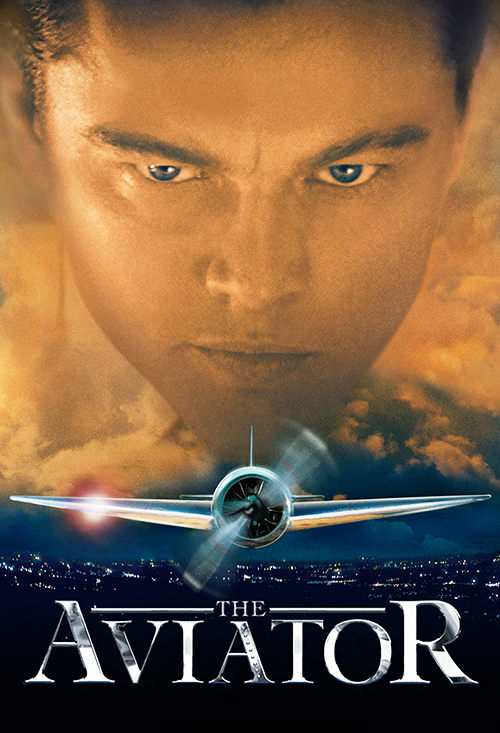
Martin Scorsese is a cinematic legend, a true auteur. He has already earned a spot in the pantheon of great Directors. He is constantly ambitious and bold in his choices. Unsurprisingly, there have been hits and misses. Mean Streets, Goodfellas, Raging Bull, Taxi Driver and The Departed are classics. I admire the scope of Killers of the Flower Moon, The Irishman, and The Wolf of Wall Street although I found them flawed. I actively disliked Gangs of New York, New York New York, and The Last Temptation of Christ. The Age of Innocence and Kundun are MEH! But he is an original and I am pleased to include The Aviator as selection No 15 on my “Best Movies of the 21st Century". It is not necessarily a conventional choice. Many critics and many of my friends thought the movie was bloated and overdone. I disagree! The subject was fascinating, the cast is magnificent and the cinematography, stage design and costuming are first rate.
The key to the movie is that the primary character, Howard Hughes, a larger than life persona. Ultra interesting fellows provide the foundation of great movies and Hughes fits that definition. Hughes was the Elon Musk of his era. He was rich, brilliant, entitled, a risk taker, entreprenurial, strange with women and, at minimum, a narcissistic sociopath. He was rule breaking and treated entire industries as playthings. He moved fluidly across ventures, including movies, aviation and defence electronics. He made outsized bets that looked like madness. Like Musk, he turned personal eccentricity into a kind of brand equity. The Aviator reveals that Hughes oddness was not just a public performance. He was a deeply troubled man. Scorsese shows a Hughes who is magnetic and commanding in public, but disintegrating privately in real time. He challenges conventions by force of will but has difficulty distinguishing between taking visionary risks and engaging in self destructive behaviour. A great story and a very American one.
The film covers 1927 to 1947. Hughes is ascending in these years. He is not yet the mysterious recluse. Things go right for him and then things take left turn. His studio won an Academy Award for Best Picture and his “Hell’s Angels” air battle shots made him a filmmaking legend. He then becomes an aviator, breaking speed and distance records and commits to creating the world’s largest plane and a global airline. He literally “crashes” as a test pilot, struggles with finances and design and is eventually called before Congress. Simultaneously, he attempts to build romantic relationships with film stars Katherine Hepburn and Ava Gardner. He experiences an emotional collapse, but then returns to the public arena with a virtuoso performance before a corrupt Senator. He faces down his competitor, Juan Trippe, the mogul who owned Pan Am. The twists and turns confronted by Mr Hughes were head spinning.
Leonardo DiCaprio excels as Howard Hughes. He is multilayered and does justice to Hughes’ brilliance and ambition while nailing his angst, inner demons and emotional turmoil. Di Caprio is very good as a troubled soul. Scorsese used this same strength in The Departed. He and Scorcese are package now, with six movies together. It doesn’t always work to my satisfaction. He is out of his depth in Gangs of New York and is blown away by Daniel Day Lewis. He is miscast in Killers of the Flower Moon. But, he is quite good here. Kudos to him.
The supporting cast is strong. Kate Blanchett as Hepburn won an Academy Award for Best Supporting Actress. She is the only person who established an equal relationship with Hughes, refusing to be overwhelmed by him. She is sharp and unsentimental. Kate Beckinsale as Ava Gardner gives a subtle performance. She is immune to Hughes’ money and myth, but genuinely cares for him as a person. He leans on her during times of high stress and personal collapse. Alan Alda’s Senator Brewster is masterclass in oily corruption and the hearing room confrontation between he and Hughes is great stuff. Alec Baldwin as Juan Trippe radiates power and entitlement as a representative of the old order committed to crushing upstart Hughes. John O’Reilly plays Hughes manager with skill. His task was to manage an unmanageable force of nature and he balances affection, loyalty, frustration and exasperation without overplaying the role.
Typical of Scorsese, the film is long, 270 minute. Unlike Killers of the Flower Moon where I spent the last half of the film looking at my watch, he succeeds in keeping things moving here. The pacing is good and he transitions effectively from non stop and extreme action in the first half to presenting more human interaction and political messaging in the second.
The film was successful. It grossed 215 million worldwide against a budget of 110 million. In Hollywood terms, this is solid, but not spectacular. It lead that year’s Oscars with 11 nominations, including Best Picture, Best Director and Best Actor for DiCaprio. It was denied in those categories, but did win for Cinematography, Editing, Costume Design, Art Direction and Best Supporting Actress for Blanchett. It won the BAFTA for Best Picture and the Golden Globe for Best Drama. I believe the movie has aged well and urge you to see it if you missed it 20 years ago.